Minecraft Dungeons 2 Enchantments Guide
The sequel reworks how you upgrade gear. Here's what's confirmed, what changed from Dungeons I, and how to think about enchanting your first drops.
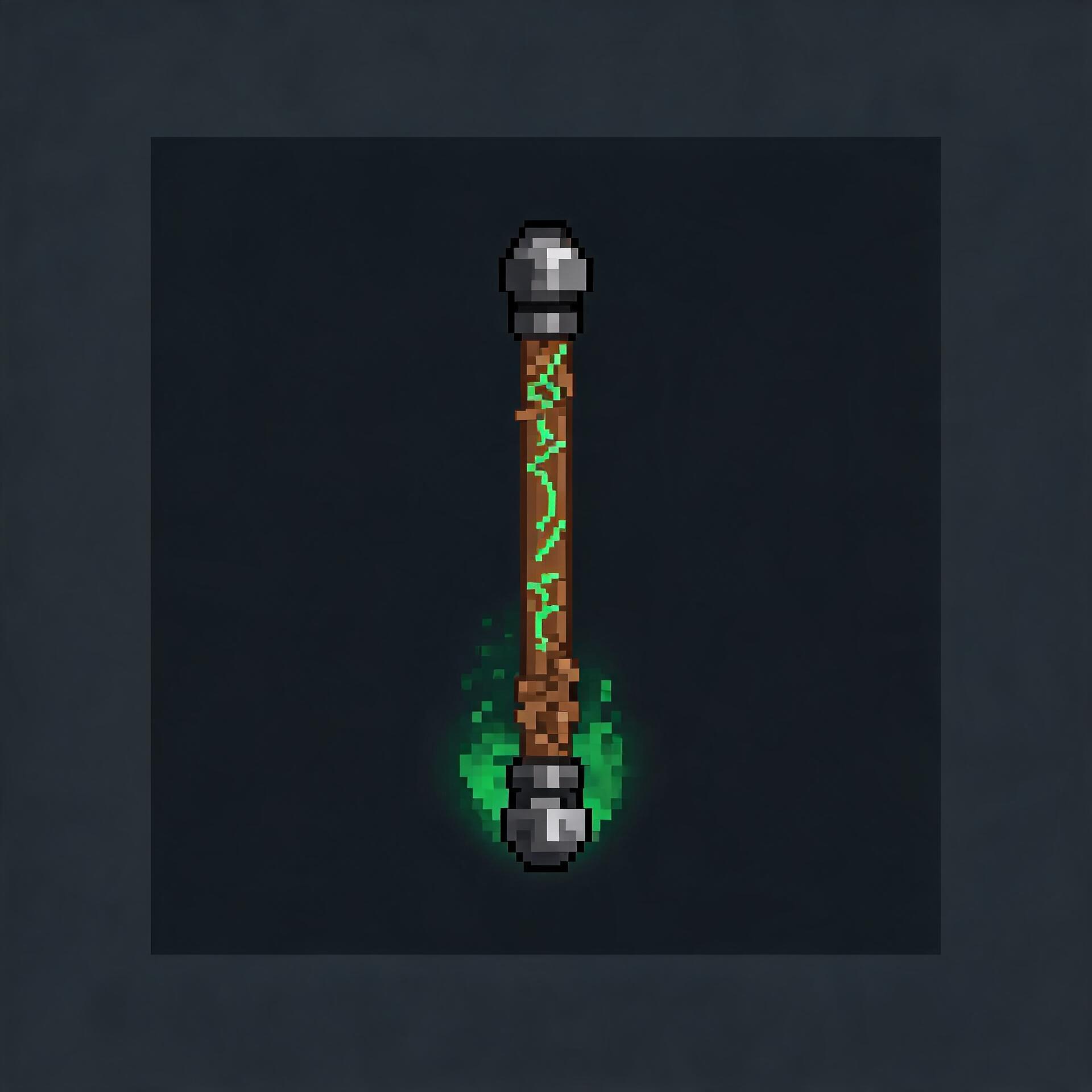
Two things changed: items can now roll random effects (same item type, different behavior), and enchantments remain the active upgrade path on top — the two confirmed launch enchantments are Lightning Surge (conductive mage build) and Soul Blast (raw impact) on battlestaffs.
What's Confirmed So Far
From official reveals, the enchantment system in Dungeons II:
- Enchantments modify weapons toward build identities. The battlestaff's official description names Lightning Surge for "a conductive mage build" and Soul Blast "if you'd rather just hit things" — meaning enchantments are build-defining choices, not incremental stat buffs.
- Random effects roll on items. Per the official gameplay deep-dive: "items now have a chance to feature random effects, which can make the same type of piece feel different." This is new — in Dungeons I, two identical items were identical.
- The upgrade surface is bigger. With 12 combat slots, four armor pieces, and talismans, there are more enchantable objects than ever — which makes enchantment choices an economy, not a checklist.
Confirmed Enchantments at Launch
| Enchantment | Weapon | Effect | Build use |
|---|---|---|---|
| Lightning Surge | Battlestaff | Conductive damage ("conductive mage build") | Mage archetype — AoE spread, crowd control |
| Soul Blast | Battlestaff | Raw impact ("just hit things") | Soul Reaper archetype — burst, forward pressure |
More enchantments are confirmed in the full item pool — the complete list with in-game descriptions and interaction notes goes live as we catalog drops on launch day. We don't publish enchantment effects we haven't verified in-game or seen in official material.
What Changed from Dungeons I
If you played the original, three mental models need updating:
| Aspect | Dungeons I | Dungeons II |
|---|---|---|
| Item individuality | Two identical items = identical | Random effects — same item type can behave differently |
| Enchantable surface | 6 slots | 12 slots + 4 armor pieces + talismans |
| Build logic | One weapon, stacked buffs | Enchantments as build identity (mage vs impact paths on one weapon family) |
How to Prioritize Early Enchantments
Until tested numbers land, our recommended priority order for early-game enchantment choices:
- Enchant toward your archetype, not your best drop. The battlestaff paths show the design: enchantments define playstyle. A Lightning Surge on a build you enjoy beats a theoretically stronger enchant on a playstyle you don't.
- Check random effects before investing. A weapon with a random effect that synergizes with your build is worth more than a higher-level clean drop — this is the sequel's biggest new decision layer.
- Don't enchant everything at once. With more slots than ever, spread upgrades across your actual 12-slot loadout instead of maxing one weapon — the interconnected world throws varied encounters at you.
- Save respecs for boss walls. When you hit a wall (see boss guides), a targeted re-enchant toward that fight's demands is cheaper than grinding gear.
How This Interacts With Builds
Enchantments are the fork in the road for every build in our best builds guide — the mage and Soul Reaper archetypes are the same weapon differentiated purely by enchantment choice. And because random effects can roll on top, the ceiling for a "perfect" version of each build is higher than anything in Dungeons I.
New to the game? Read beginner tips first — enchanting choices make more sense once you've felt the combat loop.